



High-performing women are often praised for their ability to endure, adapt, and keep going — even when their nervous systems are running on fumes. In this deeply personal essay, Ashleigh C. Henry explores what happens when the body finally lands after weeks of hyper-vigilance, emotional carrying, caregiving, and invisible labor. Drawing from a 30-day season spent between Seattle and a Florida ICU, she unpacks the hidden reality of nervous system overload in adulthood, why exhaustion often arrives after the crisis ends, and how chronic over-functioning becomes normalized for capable women.
Blending lived experience, nervous system awareness, emotional resilience, and lifestyle design, this article challenges the modern productivity culture that asks women to override themselves in the name of discipline. Through themes like decision fatigue, invisible labor, burnout recovery, emotional labor, sustainable ambition, and Weekly Harmonies™, Ashleigh C. Henry offers a new framework for inhabitable adulthood — one where high-capacity women can build lives their bodies can actually live inside of. This essay is for women navigating burnout, caregiving exhaustion, post-crisis fatigue, chronic stress, or the quiet ache of carrying too much for too long.
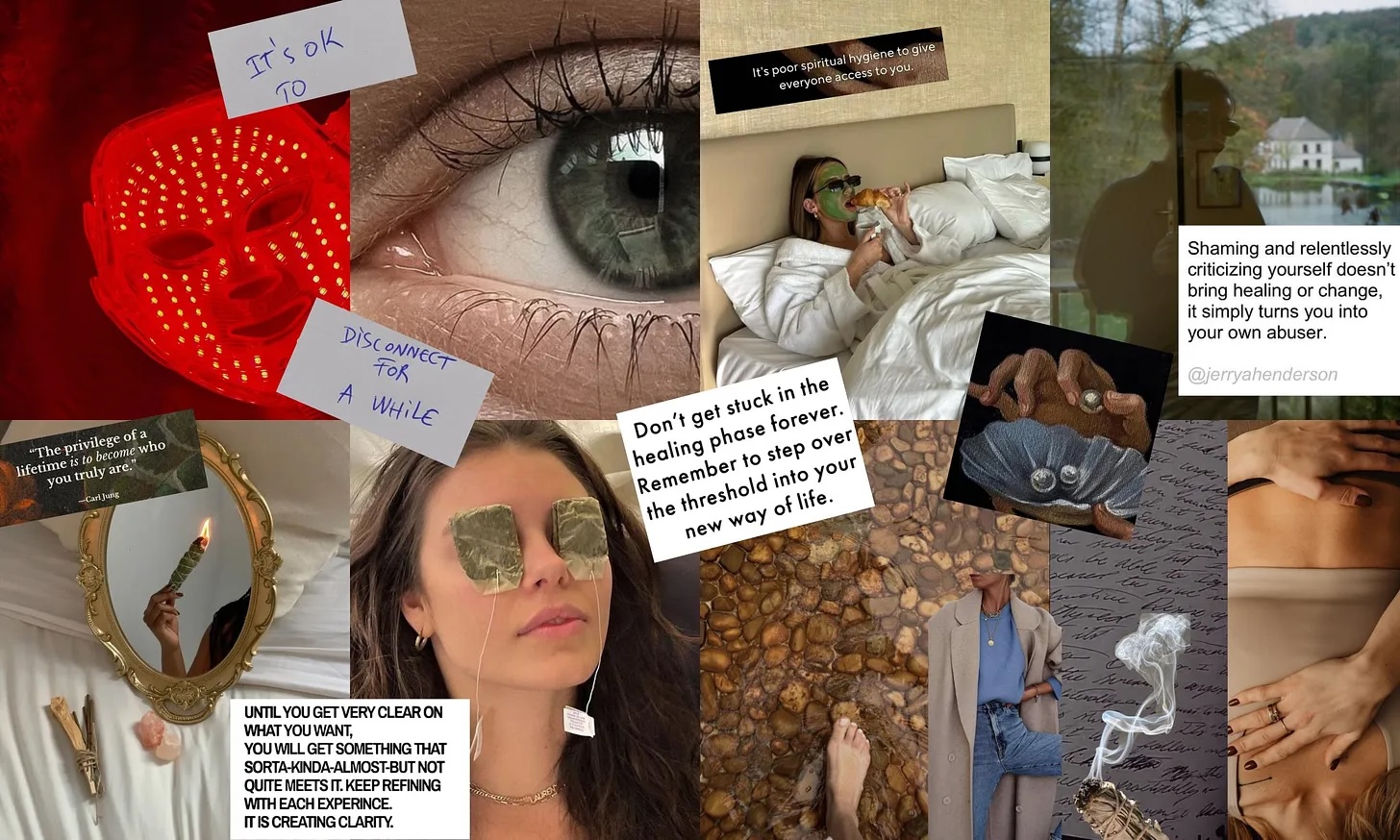
Healing isn’t a performance, and mastery isn’t a checklist. Ashleigh Henry explores what it means to inhabit the work — not just understand it, speak to it, or sell it. It’s for the woman who’s done the trainings, knows the language, but still finds herself over-giving, self-abandoning, or quietly aching for a life that actually feels like hers.
If you’ve ever felt the dissonance between what you teach and how you live, this is a call back to rhythm, presence, and realignment. Less about doing the work perfectly — more about living it honestly.
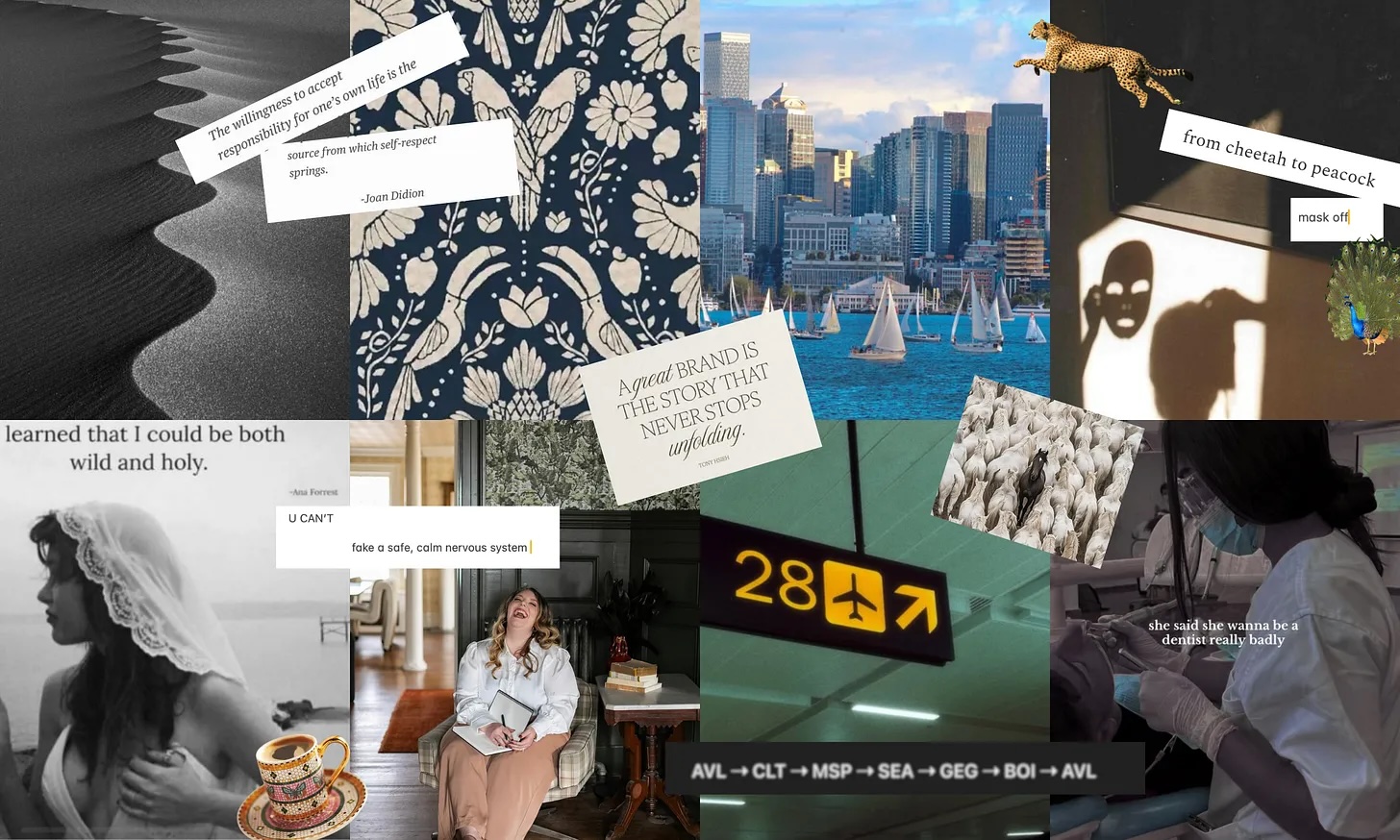
Ashleigh Henry, founder of The Cheetah Company, shares when there was a time when “more” felt like oxygen — more achievement, more clarity, more healing, more doing it right. But chasing it left her fragmented. This reflection traces the invisible addiction many high-capacity women carry: the compulsion toward betterment that masquerades as growth but quietly erodes our peace.
For anyone who’s felt burned out by their own hunger, this essay offers a pause — a place to name the ache beneath the ambition and ask a more honest question: what if more isn’t the answer? What if you were already enough, long before the reaching?

